Recycling and Sustainability for Gardening Services Temple
 Gardening Services Temple is committed to creating an eco-friendly waste disposal area and a lasting culture of sustainable rubbish gardening area practices across all projects. Our approach blends practical garden waste recycling, community partnerships, and a measured carbon reduction plan so that every verge, courtyard and backyard we touch contributes to a greener local environment. We emphasise responsible disposal and reuse wherever possible, prioritising materials that can be composted, mulched or repurposed.
We set an ambitious recycling percentage target for our operations: a minimum of 75% recycling and recovery of all garden-derived materials and related waste streams by the end of the next fiscal year. This target covers green waste, wood, soil, turf, and recoverable hard landscaping materials. To reach this goal we use documented collection routes, segregated on-site bins, and partner processing locations to ensure diversion away from landfill.
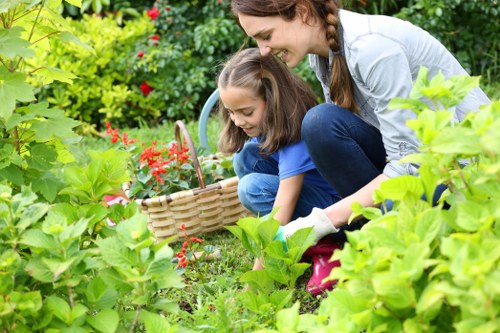 Our teams also align with borough-level policies on waste separation — many local boroughs operate systems that separate food, green, and dry recycling at source. We mirror these best practices in our on-site segregation; garden trimmings and woody material are separated from mixed recyclables and non-recyclable rubbish. This makes transfer to local transfer stations more efficient and supports higher recycling yields across the supply chain.
Local transfer stations and material routing
We routinely use nearby transfer stations and municipal composting facilities to keep transport emissions down and processing times short. Routing to local transfer stations reduces haul distances and supports borough-level networks that accept segregated garden waste. Typical destinations include community compost hubs, council-managed green waste depots and authorised transfer centres that specialise in upcycling timber and soil rehabilitation.
 To ensure traceability and performance we log tonnages and material types delivered to each transfer station. This data feeds into our sustainability dashboard and helps us refine the sustainable garden waste disposal process, enabling smarter scheduling and batching of collections to meet our recycling percentage target.
We also maintain a dedicated list of approved processors and transfer stations that meet environmental compliance standards. These partners are selected on the basis of capacity for composting, reuse infrastructure and low-emission handling practices, which together improve the circularity of garden-derived resources.
Partnerships, reuse and charity collaborations
Our recycling and sustainability plan includes active partnerships with local charities, community gardens and reuse centres. We collaborate with organisations that accept surplus soil, potted plants, reusable stone and timber. Where items are suitable we donate to community-led projects and refurbishment charities rather than sending them to processing plants. These partnerships increase the life-cycle of materials and support vulnerable neighbourhood initiatives.
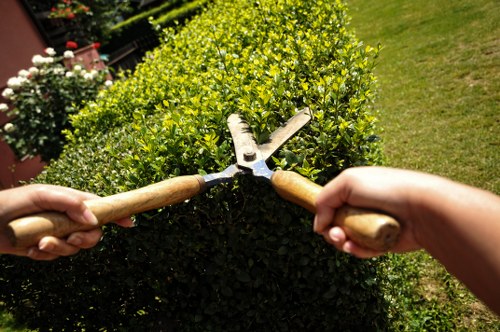 In practice, donations include usable planters, reclaimed paving, untreated timber and surplus topsoil. Partner charities collect or receive these items at low cost, and we work together to document the transfer so materials remain within a circular local economy. This reduces demand for virgin materials and demonstrates a tangible benefit from our sustainable rubbish gardening area efforts.
 Our charity agreements are complemented by community swap events and seasonal give-aways that encourage reuse. When items cannot be reused, we prioritise high-rate processing options such as industrial composting for green waste and specialised recycling for treated wood and plastics.
Low-carbon logistics are central to reducing our operational footprint. Our fleet increasingly relies on low-emission vehicles including electric vans and hybrid models, alongside optimised route planning to reduce mileage. By switching to low-carbon vans and improving load efficiency, we cut per-tonne transport emissions and support an overall lower-carbon gardening service.
We track performance through monthly reports that measure:
- Percentage of material recycled against our 75% target
- Tonnes delivered to local transfer stations
- Number of items redirected to charity partners
- Fleet emissions and miles saved by route optimisation
Finally, we support borough-wide initiatives by sharing best practice and contributing to local dialogues on waste separation. By coordinating with council schemes that separate food, glass, paper and garden waste, we amplify the benefits of on-site segregation and ensure that the sustainable rubbish gardening area we create integrates seamlessly with municipal waste systems.
Adopting these measures makes Gardening Services Temple a reliable partner for clients who value environmental stewardship. Our combined strategy — ambitious recycling targets, smart use of local transfer stations, partnerships with charities, and a low-carbon van fleet — delivers an effective, circular and accountable approach to garden waste management.
We remain committed to evolving our practices, increasing our recycling percentage year-on-year, and supporting borough-level goals so that each job contributes to a healthier, greener community.