Common Temple terrace garden problems for gardeners
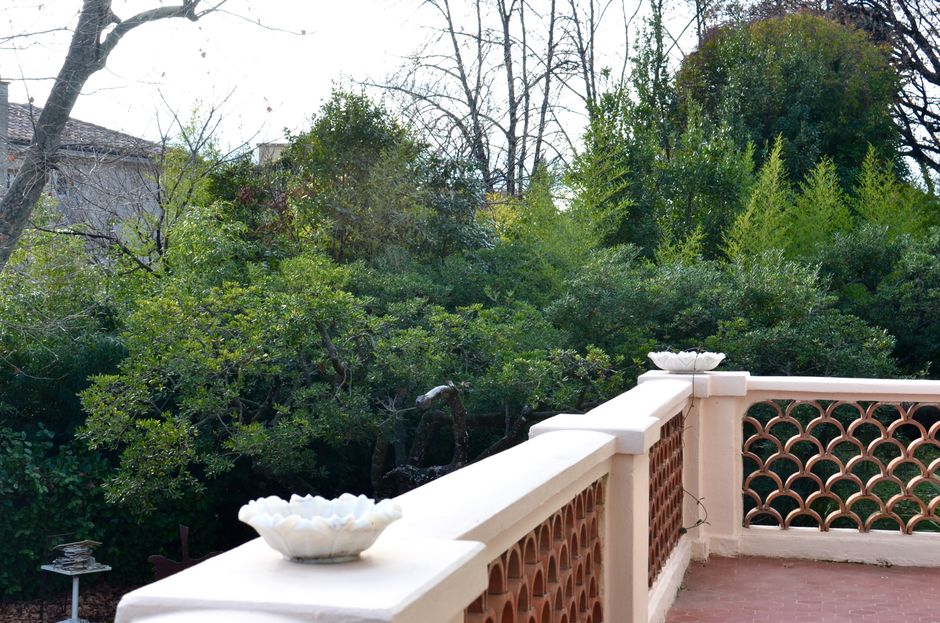
Temple terraces can be lovely to work on, but they come with their own awkward little habits. Tight access, shade from neighbouring buildings, wind tunnels, poor drainage, and compacted planting areas can all turn a simple garden into a bit of a puzzle. If you have ever looked at a narrow terrace plot and thought, "Where on earth do I start?", you are not alone. The common Temple terrace garden problems for gardeners are usually less about the plants themselves and more about the conditions around them.
This guide breaks those issues down in plain English. You will learn why they matter, how they affect garden health, which fixes are actually worth your time, and when it makes sense to bring in help. We will also cover practical maintenance advice, a checklist, and the kinds of mistakes that quietly make terrace gardens harder to manage than they need to be. Truth be told, once you understand the pattern of the space, most problems become much easier to handle.
Why the problems matter
Terrace gardens often look straightforward from the back door, but the reality is usually more layered. A small paved yard, a raised bed, a narrow side return, or a shared boundary can create several overlapping problems at once. If drainage is poor, roots struggle. If a fence throws heavy shade, growth slows. If access is awkward, maintenance gets delayed. And once maintenance slips, the whole space can start to look tired very quickly.
That matters for more than appearance. A terrace garden is often a place for sitting out, growing a few useful plants, or creating a bit of breathing room in a dense urban setting. When it is neglected or badly designed, you feel it every day. The space becomes slippery in winter, muddy after rain, overgrown in summer, and frankly a bit annoying to use. Not ideal.
From a gardener's point of view, these issues also affect time, cost, and confidence. You can waste hours trying to revive plants that were never suited to the site in the first place. Or you may spend money on pots, compost, and decorative features that do not solve the real problem underneath. That is why identifying the underlying cause matters more than just tidying the surface.
If you are considering a bigger reset, it may help to look at broader landscape gardening support or a more structured plan through garden maintenance. Both can be useful where the garden has several issues at once rather than one neat fix.
How terrace garden issues show up
The main thing to understand is that terrace gardens behave differently from open suburban gardens. They are enclosed, often shaded on one or more sides, and usually built on made ground, paving, or a mix of old hard surfaces. That means water, light, air movement, and soil quality all work a little differently. The result is a garden that can feel fussy, even when you are doing everything "right".
Here are the usual patterns gardeners run into:
- Poor drainage: Rainwater sits in low spots, pots stay soggy, and soil compacts quickly.
- Uneven light levels: One end of the garden may be bright while another is permanently shaded.
- Wind exposure: Tall boundaries and building gaps can create gusty corners that damage foliage.
- Limited access: Narrow side passages, steps, or shared routes make regular work awkward.
- Restricted root space: Trees, shrubs, and climbers can outgrow their containers or beds.
- Fast visual clutter: Small gardens fill up quickly with tools, bins, furniture, and spent growth.
These problems often overlap. For example, a shaded corner with poor airflow can stay damp for days, which encourages moss, mildew, and weak growth. Or a small courtyard with heavy foot traffic can become compacted so quickly that even decent plants start to struggle. You do not need to be a specialist to spot this. Usually, you can feel it underfoot and see it in the plants.
A good terrace garden plan starts with observation. Watch where puddles form after rain. Notice which wall gets morning sun and which side stays cold until lunch. Listen for wind moving through gaps between buildings. Those tiny details tell you more than a dozen "quick fix" purchases ever will.
Key benefits of solving them early
Sorting terrace garden problems early gives you a cleaner, calmer, more usable space. That is the obvious benefit, but there are a few less obvious ones too.
- Healthier plants: Better soil, drainage, and light choices mean stronger roots and fewer losses.
- Less weekly stress: You stop fighting the same issue every weekend.
- Better use of space: A small garden feels larger when it is organised properly.
- Lower long-term cost: Good decisions now prevent repeated replacements later.
- Safer access: Clear routes and stable surfaces reduce slipping and tripping.
There is also a real mental benefit. A terrace garden that works with the building, rather than against it, tends to feel restful. Even on a grey afternoon, a tidy space with healthy structure can lift the whole mood. It sounds simple because it is simple, but not easy. Small gardens reward careful thinking.
Expert summary: In terrace gardens, the best results usually come from fixing the site conditions first and choosing plants second. It is the boring answer. Also the right one.
If you are already dealing with overgrown beds, tangled climbers, or a garden that needs a clean slate, a proper garden clearance can make the next phase much easier. Sometimes you need to clear the clutter before you can actually see the problem.
Who this guide is for and when it makes sense
This guide is for anyone looking after a terrace garden, courtyard, narrow rear plot, or compact urban outdoor space. It is especially useful if you are:
- a homeowner trying to keep a small garden neat without overworking it
- a landlord or property manager responsible for a presentable outdoor space
- a keen gardener trying to improve weak planting performance
- a beginner who is unsure why plants keep failing in the same spots
- someone planning a redesign and wanting to avoid expensive mistakes
It makes sense to focus on these issues when the same symptoms keep returning: waterlogged pots, spindly growth, tired turf, moss on paving, damaged hedges, or a garden that seems to need attention every fortnight. If that sounds familiar, then the problem is probably structural, not just cosmetic.
Sometimes a terrace garden also needs more than gardening alone. If hard surfaces, levels, boundaries, or layout are part of the issue, a broader landscaping approach may be more effective than isolated plant care. And if you need recurring upkeep rather than a one-off tidy, garden maintenance can keep the space from slipping back into the same cycle.
Step-by-step guidance
Here is a practical way to approach the common Temple terrace garden problems for gardeners without getting overwhelmed.
- Walk the garden after rain. Look for pooling water, boggy borders, and areas that dry much more slowly than others.
- Check light and shade. Notice which areas get direct sun, filtered light, or deep shade during the day.
- Assess access. See where movement is awkward, where tools get trapped, and which areas are difficult to reach for pruning or mowing.
- Inspect the soil or pot medium. Compact, dry, stale, or thin soil often explains repeated plant failure.
- Identify the plant that is struggling most. Do not try to fix everything at once. Start with the biggest pain point.
- Choose the simplest possible improvement. That could mean adding drainage, replacing unsuitable plants, reducing shade, or reworking the layout.
- Build a maintenance rhythm. Small gardens need regular attention, but not endless attention. A light, consistent routine usually wins.
If you have paving, decking, or mixed surfaces, check how water runs across them. A terrace garden may look level, but a slight fall can send water towards one corner or under a fence line. That is where algae and slippery patches often start. Not glamorous, but very real.
For lawns in small gardens, the timing of mowing matters too. Frequent, gentle cutting tends to work better than letting grass become long and then taking too much off in one go. If the grass is patchy, shaded, or constantly wet, it may be a symptom of a deeper layout issue rather than lazy mowing.
Expert tips for better results
In terrace gardens, a few good decisions make an outsized difference. Here are the tips that tend to save people the most time and frustration.
- Use containers with proper depth. Shallow pots dry out quickly and can become root-bound fast.
- Group plants by watering need. Mixing thirsty plants with drought-tolerant ones usually causes trouble.
- Prefer structure over clutter. One strong feature is better than five small bits competing for attention.
- Choose plants that tolerate your real conditions. Not the conditions you wish you had.
- Prune regularly but lightly. Heavy cutting often creates more stress than benefit.
- Keep boundaries under control. Hedging and climbers can overwhelm small spaces if ignored for too long.
We often see gardens where the owner has bought bright, thirsty bedding plants for a windy, shaded terrace. That is a recipe for disappointment. There is nothing wrong with the plants, really. They are just in the wrong place. Pick better-suited varieties and life gets easier almost overnight.
Another small but useful trick: leave a bit of breathing room around planting pockets and seating zones. Overfilling a terrace garden makes it feel cramped, and cramped gardens are harder to water, clean, prune, and enjoy. Simple, but easy to forget when you are standing in a garden centre with a trolley and too much optimism.
Common mistakes to avoid
Most terrace garden problems are made worse by a few repeat mistakes. If you avoid these, you are already ahead.
- Ignoring drainage until it becomes a mess. By then, roots and surfaces may already be damaged.
- Choosing plants for looks only. A plant that looks great in spring can be miserable by August.
- Overcrowding the garden. Too many pots, ornaments, and planters can choke movement and airflow.
- Letting hedges or climbers dominate. A little growth is fine. A wall of it is another matter.
- Using the wrong lawn care routine. Cutting too short or too infrequently weakens small urban lawns.
- Putting off routine maintenance. In compact gardens, a small delay becomes visible very quickly.
One mistake I see quite often is treating every problem as if it needs a plant solution. Sometimes it does. But sometimes the answer is simpler: improve the soil, widen access, reshape the bed, or remove a feature that is causing shade and damp. Gardeners can be patient people, but the terrace garden tends to punish endless experimenting.
And yes, there are times when the garden is just asking for a reset. If shrubs are tangled, paths are buried, and the whole space feels impossible, a targeted hedge trimming visit or even tree lopping and removal may be the practical answer. Not everything needs rescuing. Some things need simplifying.
Tools, resources and recommendations
You do not need a garage full of kit to manage a terrace garden well. In fact, smaller, better-chosen tools are usually easier to live with.
- Hand fork and trowel: useful for compact beds and containers.
- Bypass secateurs: better for clean pruning on smaller stems.
- Long-reach loppers: handy where access is tight but woody growth needs control.
- Stiff brush and leaf rake: useful for paving, edging, and clearing damp debris.
- Watering can or hose with controlled flow: helps avoid flooding pots and beds.
- Compost and mulch: improve moisture retention and soil structure over time.
For bigger clearances or periods when the garden has gotten away from you, professional help can save a lot of back-and-forth. Service pages such as services overview and pricing and quotes are useful starting points if you want a clearer idea of what support is available and how to plan it.
If sustainability matters to you, it is worth thinking about waste handling too. Reusing healthy materials, composting what you can, and reducing repeated replacements all help. A sensible recycling and sustainability approach is often good for the garden and good for the budget as well.
Law, compliance, standards and best practice
For most home gardeners, terrace garden work is not heavily regulated in the way building work can be. Still, there are a few best-practice points worth keeping in mind, especially where boundaries, trees, access, or waste are involved.
- Be careful with boundaries and shared spaces. Terrace gardens often sit close to neighbours, so it is wise to avoid encroachment and to communicate before major cuts or access work.
- Handle waste responsibly. Garden waste should be disposed of properly, and any service you use should be clear about where waste goes and how it is managed.
- Think about safety. Slippery paving, unstable edging, and overhanging branches can become hazards if neglected.
- Use reasonable pruning practice. Heavy cuts to mature trees or large shrubs may need care and judgement rather than a rushed approach.
- Check service terms carefully. If you are booking work, it helps to understand scope, expectations, and what happens if conditions on site change.
If you want reassurance about professional standards, policies, and how a service manages practical issues, pages like health and safety policy, insurance and safety, and terms and conditions can give a clearer sense of the framework behind the work. That sort of transparency matters, especially when access is awkward or equipment has to be used carefully in a compact setting.
One more thing: if you are ever unsure whether a large tree, boundary hedge, or overgrown feature needs specialist attention, ask rather than guess. It is the safer route, and usually the cheaper one too.
Options, methods and comparison
Different terrace garden problems need different types of response. This table gives a straightforward comparison of the most common approaches.
| Problem | Best approach | Why it works | Trade-off |
|---|---|---|---|
| Poor drainage | Improve soil, reshape levels, use raised beds or drainage-friendly planters | Moves water away from roots and prevents waterlogging | May take time and some physical work |
| Deep shade | Choose shade-tolerant plants and reduce unnecessary obstruction | Matches planting to the real light conditions | Limits plant choice a little |
| Wind exposure | Add screening, use sturdier plants, shelter sensitive containers | Reduces breakage and drying | Needs careful positioning |
| Overgrowth | Prune, thin, or clear back in stages | Restores light, access, and shape | Can feel severe if the garden is very tangled |
| Low maintenance time | Simplify planting, reduce lawn area, use mulch and structured beds | Less work week to week | Less room for high-detail planting |
There is no single perfect method. A courtyard with a bit of shade and decent drainage can be turned around with planting changes alone. A cramped terrace with blocked access and mature overgrowth may need a far more practical reset. The trick is matching the method to the actual problem, not the prettiest idea on the page.
Case study or real-world example
Imagine a small terrace garden behind a mid-terrace house. The owner says the same thing most people say: "It looked fine in spring, and then it just got away from me." There is a patchy lawn, a damp corner by the fence, two containers with tired shrubs, and a narrow path that disappears under fallen leaves by November.
The first instinct is often to buy more plants. But after a proper look, the real issues are different. The rear corner stays shaded most of the day. Water sits there after heavy rain. The lawn is being cut too short, which is making it thinner. A hedge on one side is starting to hog light, and the path is so narrow that cleaning it is unpleasant, so it gets skipped. Little by little, the garden becomes harder to use.
The better response is to simplify. Clear the worst debris. Trim the hedge back to improve access and light. Replace the struggling lawn section with a lower-maintenance planting area or hardier groundcover. Use deeper pots with fresh compost in the brightest part of the space. Then set a light, repeatable maintenance routine: check drainage after rain, cut the lawn properly, and tidy the path before leaves build up. Nothing dramatic. Just sensible.
That kind of approach usually feels like a relief. The garden stops asking awkward questions every week. And that, honestly, is half the battle.
Practical checklist
Use this checklist when reviewing a terrace garden that feels difficult to manage.
- Check for standing water after rain
- Identify the darkest and brightest areas
- Look for compacted soil or tired compost
- Inspect pots for root crowding or poor drainage holes
- See whether hedges, trees, or climbers are blocking light
- Clear pathways and remove trip hazards
- Cut back overgrown edges that are reducing access
- Remove dead, diseased, or weak growth
- Group plants by their water and light needs
- Plan a simple maintenance rhythm you can actually keep up
Quick reality check: if the garden feels hard to care for, there is usually a reason. And that reason is often fixable. Maybe not in ten minutes, but fixable all the same.
Get a free quote today and see how much you can save.
Conclusion
Common Temple terrace garden problems for gardeners are rarely caused by one single thing. More often, it is a mix of shade, access, drainage, crowding, and maintenance slipping a little too far for a little too long. The good news is that terrace gardens respond well to clear thinking. Once you understand how the space behaves, the fixes become far more obvious.
Start with what the garden is telling you. Watch the water. Follow the light. Notice what is awkward to reach. Then make the simplest improvement that will genuinely change how the space works. Small gardens do not need fuss; they need clarity. And when they are handled well, they can be some of the most satisfying gardens to look after.
For a bit more about the people behind the work, you can also visit the about us page. If you are ready to talk through a difficult terrace garden, the next step is simply to ask.
Frequently Asked Questions
What are the most common Temple terrace garden problems for gardeners?
The most common issues are poor drainage, limited light, wind exposure, cramped access, compacted soil, and overgrowth. These often appear together, which is why terrace gardens can feel harder to manage than larger plots.
Why does my terrace garden stay wet after rain?
Usually because the ground is compacted, the surface has poor fall, or containers and beds are trapping water. In a terrace setting, water has fewer places to go, so small drainage issues become very noticeable.
What plants work best in a shaded terrace garden?
Shade-tolerant plants are usually the safest bet, but the best choice depends on how much light the space gets and whether the soil stays damp. Matching plants to real conditions matters more than picking something fashionable.
How often should a small terrace garden be maintained?
Light maintenance every week or two is usually better than occasional major work. Small gardens show neglect quickly, so regular tidying, pruning, and checking drainage tends to keep things under control.
Is a terrace garden harder to look after than a normal garden?
Often, yes. The space is smaller, more enclosed, and more sensitive to shade and water problems. That said, once it is designed well, it can actually be easier to keep looking neat than a larger, more open garden.
Should I remove a lawn in a terrace garden?
Not always. But if the lawn is patchy, shaded, or constantly wet, replacing some or all of it with planting, paving, or a more manageable layout can make sense. It depends on how the space is used.
When should I call in professional help?
Call for help when access is difficult, overgrowth is blocking light, drainage is clearly failing, or the garden needs a reset rather than a light tidy. If a problem keeps returning, it usually needs a proper fix, not just another quick clear-up.
Can hedge trimming help with terrace garden problems?
Yes, especially where hedges are blocking light, narrowing access, or making the garden feel boxed in. A careful trim can improve airflow and make the whole space easier to use.
What is the biggest mistake people make with terrace gardens?
Choosing plants and features before dealing with drainage, light, and layout. It is a bit like decorating a room before the roof stops leaking. The underlying conditions matter first.
How do I stop a terrace garden from feeling cluttered?
Reduce the number of pots and accessories, keep paths clear, and use a few stronger features instead of lots of small ones. Good structure makes a small garden feel calmer almost immediately.
Does garden clearance help before redesigning a terrace garden?
Absolutely. Clearing dead growth, debris, and tangled planting lets you see the space properly and make better decisions. It is hard to plan a garden when half the problem is hiding under the mess.
Where can I find more information about your services?
You can look through the services overview page to see the wider range of support available, including maintenance, clearance, landscaping, and related garden work.